Why are we often dissatisfied even when good things happen?
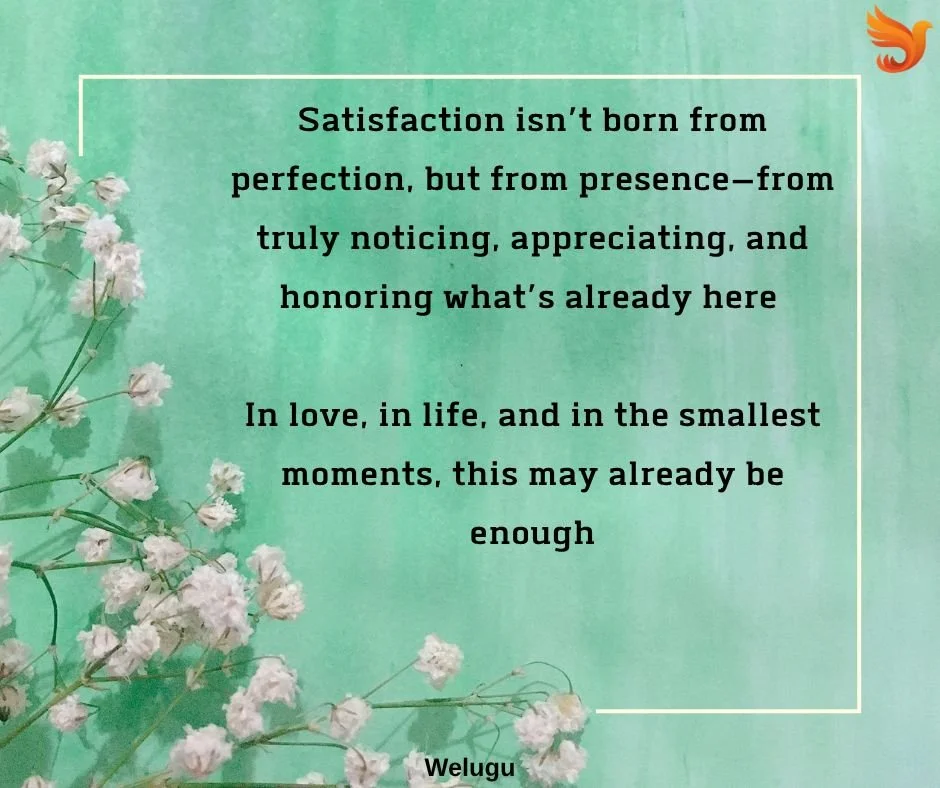
It’s a question many of us carry quietly. We get the promotion, the praise, the partner, or the peace we longed for yet a part of us still feels restless, unsettled, or even empty. It’s not that we’re ungrateful; it’s that our minds are wired to scan for what’s missing, not what’s present. This "never enough" mindset often stems from deeper roots unmet emotional needs, societal conditioning, or unresolved wounds.
The Habit of Discontent
Part of this comes from how our minds are wired. We’ve been conditioned by society, upbringing, or even our own survival instincts to focus on what's lacking rather than what’s present. It's a protective mechanism, but when overused, it becomes a mindset of discontent.
We look at a loving relationship and focus on the one thing that’s missing.
We receive appreciation, but we fixate on what more could’ve been said.
We achieve a goal, and instead of celebrating, we move the finish line further.
This isn’t ingratitude. It’s a habit a lens through which we’ve been taught to see the world.
What Is Satisfaction in a Relationship?
Satisfaction in relationships doesn’t come from everything being perfect. It comes from feeling safe to be ourselves flaws, quirks, emotions and all and still being accepted. No relationship is free of conflict or disappointment. But satisfaction arises when love is consistent, communication is respectful, and growth is supported.
How Can We Be Satisfied in Life?
Satisfaction doesn’t come from having everything. It comes from not needing everything to feel whole.
It starts with presence being here for our lives as they unfold, not waiting for some future version to bring peace. It deepens with gratitude not as a checklist, but as a shift in focus.
A Daily Practice, Not a Final Destination
Satisfaction isn’t something we arrive at once and for all. It’s a gentle, ongoing decision to engage with life more fully and more kindly.
It’s learning to pause in the middle of a good moment and say, “This matters.”