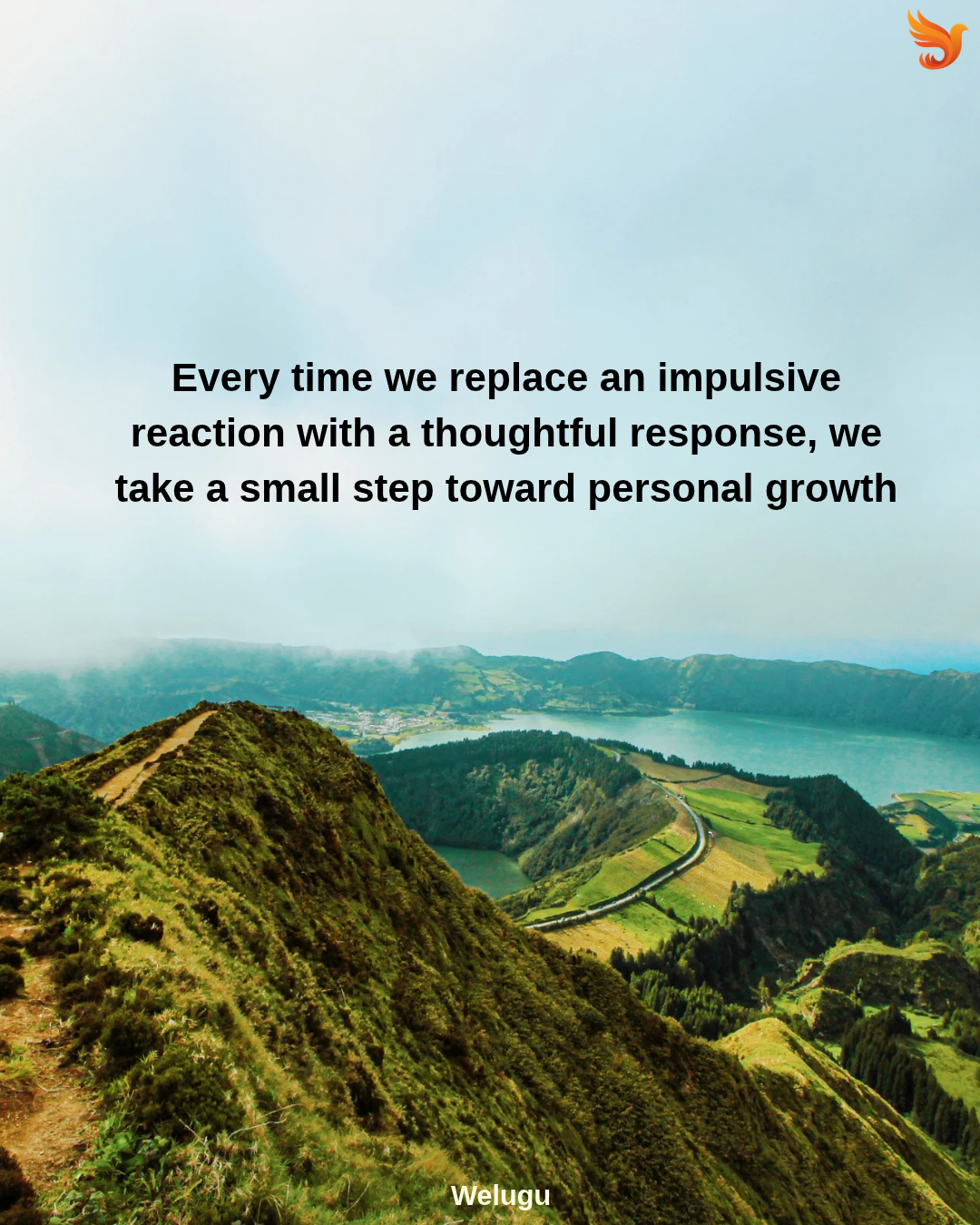
Patience is not about never getting upset. It is about learning to pause, understand our emotions, and choose how we respond.
We often admire people who remain calm in difficult situations and wonder how they manage to keep their cool. The truth is that patience is not something we either have or lack. It is a skill we can develop through awareness, practice, and self-reflection.
Everyday life offers us countless opportunities to practice patience.
When someone cuts us off in traffic: We may feel angry and want to react immediately. But will our anger change what happened? Taking a breath and focusing on reaching our destination safely can help us protect our peace.
When our children don't listen: Repeating the same instructions can be exhausting. Instead of immediately raising our voices, we can pause and remind ourselves that teaching takes time. We can be firm while remaining kind.
When someone makes the same mistake repeatedly: At work or at home, we may become frustrated when others don't learn as quickly as we expect. Patience helps us understand what support or clarity might be missing, while still maintaining reasonable expectations.
When we feel misunderstood: Our first instinct may be to defend ourselves. But sometimes, listening before responding can prevent a small disagreement from becoming a bigger conflict.
When life doesn't move at our pace: Waiting for an opportunity, a response, or a desired outcome can make us anxious. Patience reminds us to focus on what we can control rather than exhaust ourselves worrying about what we cannot.
How Can We Develop Patience?
Pause before reacting. When frustration rises, take a breath before speaking. A few seconds can prevent words or actions we may later regret.
Understand our triggers. Are we reacting to the situation itself, or are we already tired, stressed, or overwhelmed? Recognizing our emotions helps us respond more thoughtfully.
Adjust our expectations. Not everyone thinks, learns, or responds the way we do. Accepting these differences helps us become more flexible and less frustrated.
Listen with the intention to understand. We don't always have to agree, but allowing others to express themselves can help us see situations from a different perspective.
Be patient with ourselves. We will not always respond perfectly. When we lose our cool, we can acknowledge our mistakes, apologize when necessary, and learn to handle similar situations differently next time.
Remember that patience has boundaries. Being patient does not mean accepting disrespect or mistreatment. We can remain calm, communicate firmly, and protect our well-being.
Patience Begins With Self-Reflection
Often, what frustrates us most is the gap between how we expect things to happen and how they actually unfold. We want people to understand us, circumstances to cooperate, and problems to resolve quickly.
But life rarely follows our preferred timeline.
Developing patience means recognizing that we cannot control every situation or another person's behavior. We can, however, become more aware of our own reactions.
When we pause before judging, we make room for compassion. When we listen before responding, we make room for understanding. And when we reflect on our mistakes, we create opportunities to grow.
A Thought to Carry Forward
We may not be able to prevent every frustrating moment, but we can learn to respond differently.
The next time you feel yourself losing your cool, pause and ask:
"Will my reaction improve this situation, or will it only add to the frustration?"
Patience is built in these small, everyday moments. It grows each time we choose understanding over judgment, calmness over impulsive reactions, and self-reflection over blame.
We don't have to be perfect. We simply have to become a little more aware, a little more compassionate, and a little more patient each day.
With love and gratitude